Dealing with hormonal acne can feel tricky, especially when you’re just starting to figure out skincare. It’s tough because those breakouts seem to pop up at the worst times and aren’t always easy to get rid of. But don’t worry!
We’re going to break down exactly what you need to do for a Skincare routine for hormonal acne skin. We’ll go through it step-by-step, making it super simple so you can feel confident about your skin. Stick around, and we’ll show you how to get started with a routine that actually works.
Understanding Hormonal Acne
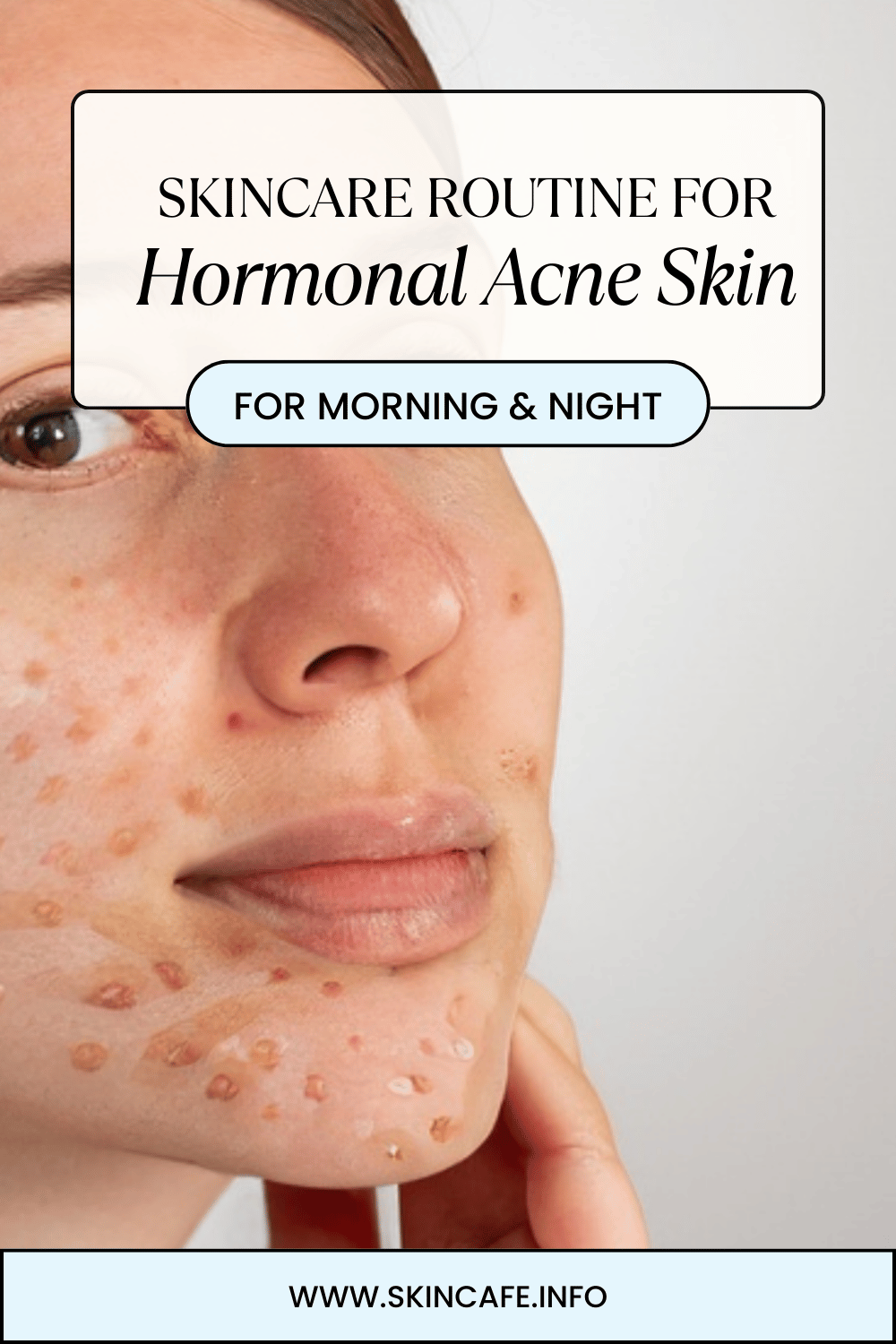
Hormonal acne is a common skin concern, especially for people going through puberty, menstrual cycles, pregnancy, or menopause. It’s called hormonal acne because it’s linked to changes in your body’s hormone levels, particularly androgens like testosterone. When these hormone levels fluctuate, they can cause your oil glands to produce more oil, which can clog pores and lead to breakouts.
This type of acne often appears on the lower part of your face, like your chin, jawline, and cheeks, and can show up as deep, painful bumps or blackheads and whiteheads. It’s different from other types of acne because it tends to be more persistent and can be influenced by your internal body chemistry.
Why a Skincare Routine Matters for Hormonal Acne
A good skincare routine is like a daily practice for your skin. For hormonal acne, it’s not just about cleaning your face; it’s about carefully choosing products that will help calm inflammation, prevent clogged pores, and support your skin’s natural healing process. Hormonal breakouts can be sensitive and sometimes react strongly to harsh ingredients, so a gentle yet effective approach is key.
Think of it as providing your skin with the right tools to fight back against the hormonal surges that trigger these spots. A consistent routine helps to keep your skin balanced and less prone to those frustrating flare-ups.
Key Ingredients to Look For
When you’re choosing products for hormonal acne, some ingredients are real stars. They work in different ways to help clear your skin and keep it healthy.
For Cleaning and Treating
- Salicylic Acid: This is a beta-hydroxy acid (BHA) that can get into your pores and break down oil and dead skin cells. It’s great for unclogging pores and reducing inflammation.
- Benzoyl Peroxide: This ingredient helps kill the acne-causing bacteria on your skin. It can be a bit drying, so start with a lower concentration and use it carefully.
- Niacinamide: Also known as Vitamin B3, it’s a powerhouse ingredient. It helps reduce redness and inflammation, improves your skin barrier, and can even help control oil production.
For Soothing and Hydrating
- Hyaluronic Acid: Even oily or acne-prone skin needs hydration. Hyaluronic acid draws moisture to your skin without feeling heavy or greasy, keeping your skin plump and happy.
- Ceramides: These are natural fats that help form your skin’s barrier. When your skin is healthy and its barrier is strong, it’s better at retaining moisture and protecting itself from irritants.
- Green Tea Extract: Known for its antioxidant and anti-inflammatory properties, green tea can help calm irritated skin and reduce redness.
Building Your Basic Routine: Morning
Your morning routine is all about protecting your skin and getting it ready for the day. It should be quick and effective.
Step 1: Gentle Cleansing
Start by washing your face with a mild, hydrating cleanser. You don’t want anything that strips your skin of its natural oils, as this can actually make your skin produce more oil to compensate. Look for cleansers that are soap-free and pH-balanced.
Step 2: Antioxidant Serum (Optional but Recommended)
If you have one, apply a serum with antioxidants like Vitamin C. This helps protect your skin from environmental damage throughout the day, which can make acne worse.
Step 3: Hydrate
Apply a lightweight, oil-free moisturizer. Even acne-prone skin needs hydration to maintain a healthy skin barrier. If your skin feels balanced, it’s less likely to overproduce oil.
Step 4: Sun Protection
This is non-negotiable. Sunscreen protects your skin from harmful UV rays, which can worsen acne scars and cause premature aging. Opt for an oil-free, non-comedogenic sunscreen with an SPF of 30 or higher.
Building Your Basic Routine: Evening
Your evening routine is when you focus on cleaning away the day’s buildup and treating your skin. This is where you can incorporate some active ingredients.
Step 1: Double Cleansing (Recommended)
Start with an oil-based cleanser or micellar water to remove makeup, sunscreen, and any surface impurities. This step ensures that your subsequent cleanser can work more effectively.
Step 2: Second Cleanse
Follow up with your gentle, water-based cleanser. This thoroughly cleanses your pores and preps your skin for treatment.
Step 3: Treatment
This is where you use your active ingredients.
- For active breakouts: Apply a spot treatment containing salicylic acid or benzoyl peroxide directly onto blemishes.
- For overall treatment: If you’re using a serum or cream with salicylic acid, niacinamide, or a gentle retinoid, apply it to your entire face. If you’re new to retinoids, start slowly, maybe two to three times a week, and build up tolerance.
Step 4: Moisturize
Apply your moisturizer. If you’re using treatments that can be drying, a slightly richer, but still non-comedogenic, moisturizer might be beneficial at night.
Weekly Treatments
In addition to your daily routine, a few weekly treatments can give your skin an extra boost.
Exfoliation
Once or twice a week, consider using a chemical exfoliant like a gentle salicylic acid or glycolic acid peel. These help to remove dead skin cells that can clog pores. Be careful not to over-exfoliate, as this can irritate your skin.
Masks
Clay masks are excellent for hormonal acne. They can help absorb excess oil and draw out impurities from your pores. Look for masks that also contain soothing ingredients like chamomile or aloe vera to prevent your skin from feeling too dry.
Lifestyle Factors Affecting Hormonal Acne
Skincare products are important, but what you do and consume can also play a big role in how your skin behaves.
Diet
While the link between diet and acne is still being studied, some people find that certain foods can trigger breakouts. High-glycemic index foods (like sugary snacks and white bread) and dairy products are often cited as potential culprits. Paying attention to how your skin reacts after eating certain foods can help you identify your personal triggers.
Stress Management
Stress can lead to an increase in cortisol, a stress hormone, which can, in turn, boost androgen production and worsen hormonal acne. Finding healthy ways to manage stress, such as exercise, meditation, or hobbies, can be beneficial for your skin.
Sleep
Getting enough quality sleep is essential for your body’s repair processes, and that includes your skin. During sleep, your skin regenerates and repairs itself. Aim for 7-9 hours of sleep per night.
Hydration
Drinking enough water throughout the day helps keep your skin hydrated from the inside out. Well-hydrated skin functions better and can be more resilient.
When to Seek Professional Help
If your hormonal acne is severe, persistent, or causing you significant distress, it’s a good idea to talk to a dermatologist. They can offer more powerful treatment options, such as prescription topical medications, oral medications (like birth control pills or spironolactone for women), or isotretinoin. A dermatologist can also help you figure out the best approach based on your specific skin needs and overall health.
Common Mistakes to Avoid
There are a few common pitfalls that can make managing hormonal acne more difficult.
- Over-washing: Washing your face too often can strip your skin of its natural oils, leading to dryness and increased oil production. Stick to twice a day.
- Using harsh scrubs: Physical scrubs with large, rough particles can create micro-tears in the skin, leading to inflammation and more breakouts.
- Picking at blemishes: This is a big one! Picking can spread bacteria, cause more inflammation, and lead to scarring.
- Skipping sunscreen: Sun exposure can worsen hyperpigmentation (dark marks left after acne) and make skin more sensitive to treatments.
- Using too many active ingredients at once: This can overwhelm your skin and cause irritation. Introduce new products slowly and give your skin time to adjust.
Putting It All Together: A Sample Routine
Here’s a sample of how you might structure your routine. Remember, this is a guide, and you might need to adjust it based on how your skin responds.
| Time | Step | Product Type | Key Ingredients/Notes |
|---|---|---|---|
| Morning | Cleanse | Gentle Cleanser | pH-balanced, soap-free |
| Treat (Optional) | Antioxidant Serum | Vitamin C | |
| Moisturize | Lightweight Moisturizer | Oil-free, non-comedogenic | |
| Protect | Sunscreen | SPF 30+, non-comedogenic | |
| Evening | Cleanse (First) | Oil Cleanser or Micellar Water | Removes makeup and sunscreen |
| Cleanse (Second) | Gentle Cleanser | Thoroughly cleanses | |
| Treat | Treatment Serum/Cream/Spot Treatment | Salicylic Acid, Benzoyl Peroxide, or Retinoid (use as needed, start slowly) | |
| Moisturize | Moisturizer | Can be slightly richer if needed | |
| Weekly (1-2 times) | Exfoliate | Chemical Exfoliant | Salicylic Acid or Glycolic Acid |
| Mask | Clay Mask | Absorbs oil, soothes |
Frequently Asked Questions
Question: How long does it take to see results from a skincare routine for hormonal acne?
Answer: It can take anywhere from 4 to 12 weeks to see noticeable improvements in hormonal acne. Consistency is key, so stick with your routine even if you don’t see results immediately. Your skin needs time to adjust and respond to the treatments.
Question: Can I use salicylic acid and benzoyl peroxide together?
Answer: Using both salicylic acid and benzoyl peroxide at the same time can be too harsh for many people and lead to irritation and dryness. It’s generally better to use them at different times of the day (e.g., salicylic acid in the morning, benzoyl peroxide at night) or alternate them on different days. Always start with a low concentration and see how your skin reacts.
Question: Are there any foods I should definitely avoid for hormonal acne?
Answer: While individual triggers vary, many people find that reducing their intake of high-glycemic index foods (like white bread, sugary cereals, and sweets) and dairy products can help with hormonal acne. It’s useful to keep a food diary and see if you notice any patterns between your diet and your breakouts.
Question: Can hormonal acne disappear on its own?
Answer: Hormonal acne can sometimes improve on its own as hormone levels naturally fluctuate or change, particularly after puberty. However, for many people, it can be persistent and requires a consistent skincare routine and sometimes medical intervention to manage effectively.
Question: Is it okay to wear makeup with hormonal acne?
Answer: Yes, it’s generally okay to wear makeup as long as you choose non-comedogenic products (meaning they won’t clog your pores) and are diligent about removing all your makeup at the end of the day. Cleansing properly is crucial to prevent makeup from contributing to breakouts.
Final Thoughts
Managing hormonal acne involves more than just picking the right cleanser. It’s about creating a consistent, gentle, and effective routine that addresses the root causes of your breakouts while also supporting your skin’s overall health. We’ve covered key ingredients that make a difference, like salicylic acid to clear pores and niacinamide to calm redness.
Remember to protect your skin with sunscreen daily and hydrate it well, even if it feels oily. Paying attention to your diet, stress levels, and sleep can also have a positive impact. Be patient with your skin; improvements take time.
If you’re feeling overwhelmed or not seeing the results you want, don’t hesitate to consult a dermatologist. They can provide personalized advice and stronger treatment options. Keep up with your routine, and celebrate small wins as your skin gets clearer and healthier.